Rare American hybrid grape developed in 1902 by T.V. Munson in Texas.
Naturally resistant to Pierce’s disease, rot, and mildew.
Fruit-forward with blackberry, blueberry flavors and low tannins.
Thrives in warm, humid climates without heavy chemical treatment.
Making a commercial comeback through wineries like Doghobble Wine Farm.
If you’ve spent any time exploring wine, you’ve probably come across the usual names: Cabernet Sauvignon, Merlot, Pinot Noir. But there’s a whole world of American-born grape varieties that most people have never encountered, and Lomanto is one of the most fascinating among them.
Lomanto is a rare red wine grape with roots stretching back to 1902. It produces intensely colored, fruit-forward wines that are easy to drink and unlike anything you’ll find on a typical wine list. And yet, most wine lovers have never heard of it.
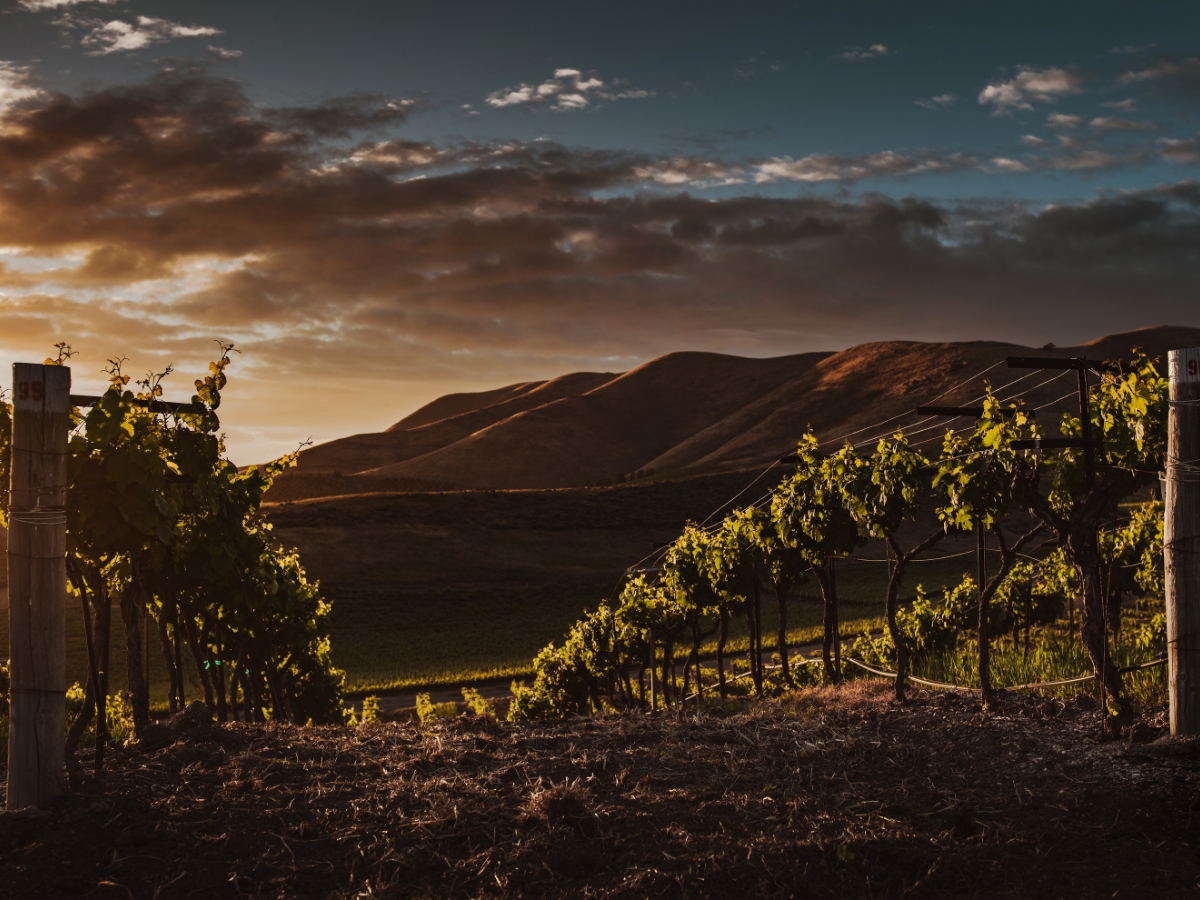
At Doghobble Wine Farm in Dahlonega, Georgia, we’re growing Lomanto on the Dahlonega Plateau and crafting wines that showcase what this grape can do. Here’s everything you need to know about Lomanto wine, from its history to how it tastes to why it’s making a comeback.
Where Does Lomanto Come From?
Lomanto was developed in 1902 by T.V. Munson, a legendary viticulturist working in Denison, Texas. Munson spent his career studying and crossbreeding American grape species, and he’s widely credited with saving the European wine industry by providing disease-resistant American rootstock during the phylloxera crisis of the late 1800s.
Lomanto was one of Munson’s many creations. It’s a hybrid born from crossing Salado (a grape derived from the native Vitis champinii species) with Pense, which is actually a synonym for Malaga, a European Vitis vinifera variety. That means Lomanto carries the best of both worlds: the hardiness and disease resistance of American vines with the winemaking quality of European grapes.
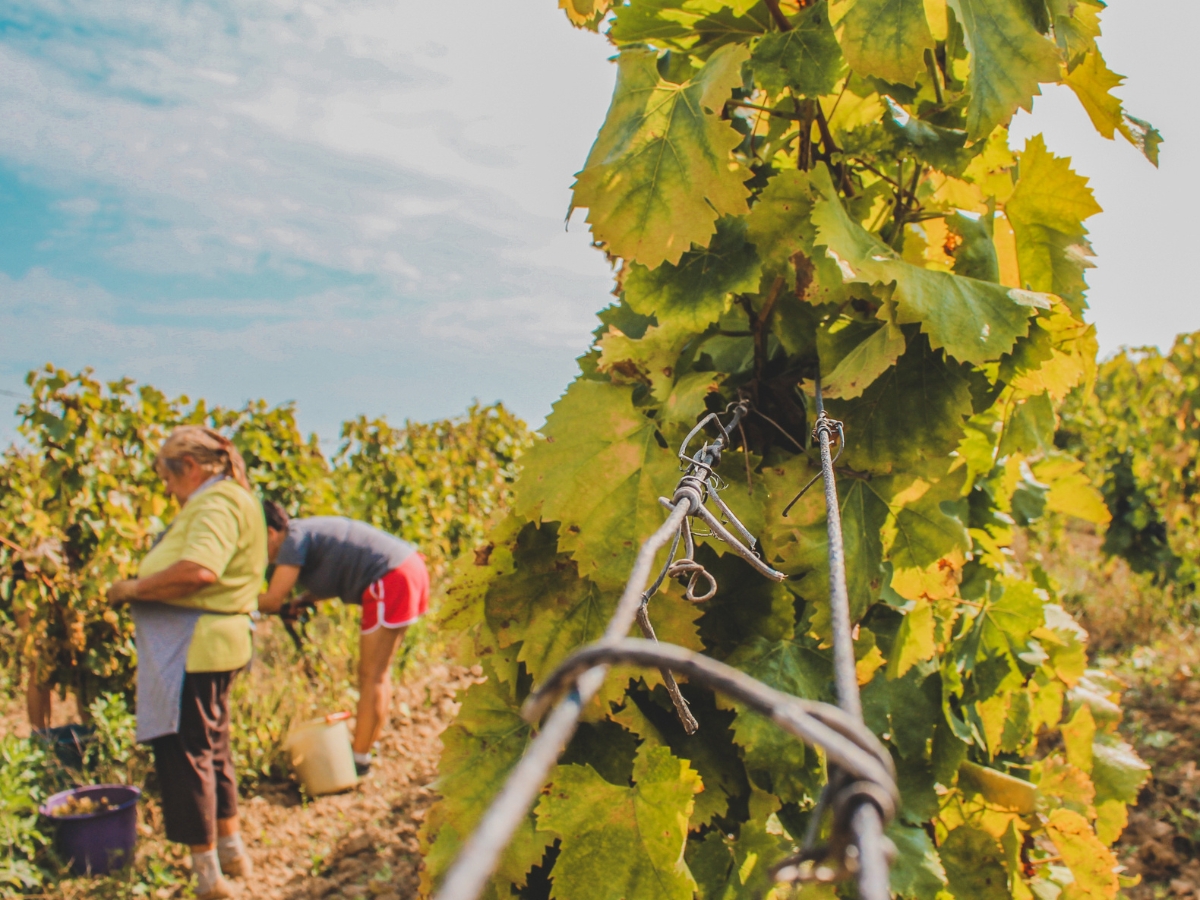
For most of the 20th century, Lomanto was primarily grown in residential backyards across Texas and the Southeast. It was prized by home growers for how easy it was to cultivate. But in recent years, a small number of wineries have recognized its commercial potential and started giving it the serious winemaking attention it deserves.
What Makes Lomanto Different from Other Wine Grapes?
Lomanto stands apart from more familiar wine grapes in several important ways.
Disease and Drought Resistance
One of the biggest challenges for growing wine grapes in the southeastern United States is Pierce’s disease, a bacterial infection spread by insects that can devastate entire vineyards. Most European grape varieties are highly susceptible to it. Lomanto, thanks to its American parentage, is naturally resistant to Pierce’s disease as well as rot and mildew. This is a huge advantage in warm, humid climates like Georgia, where traditional Vitis vinifera varieties struggle without heavy chemical intervention.
At Doghobble Wine Farm, this aligns directly with our approach to low-impact wine farming. Because Lomanto doesn’t need constant spraying, we can grow it sustainably with minimal chemical inputs, which is better for the land and for the wine.
Intense Color
Lomanto produces some of the most deeply colored juice and wine of any grape variety. The berries have a thin black skin that yields an intensely pigmented claret red. If you’re eating them fresh, they’ll stain your tongue and fingers a deep purple. In winemaking, that translates to a wine with rich, eye-catching color that looks as bold as it tastes.
A True Sense of Place
While most American wineries focus on growing European grape varieties, Lomanto is part of a growing movement to champion grapes that are naturally suited to their environment. Growing a grape that thrives in your climate, rather than fighting against it, means the wine can genuinely reflect the terroir of the region. For us on the Dahlonega Plateau, that’s a wine that tells the story of North Georgia.
What Does Lomanto Wine Taste Like?
This is the question most people ask first, and the answer is genuinely exciting. Lomanto wines are fruit-forward with firm acidity, making them approachable and easy to drink. The flavor profile typically includes rich tones of blackberry and blueberry, with hints of wild berry and a mellow, slightly jammy finish.
One thing that makes Lomanto wines distinctive is their relatively low tannin. If you’ve ever found big red wines too astringent or mouth-drying, Lomanto offers a different experience. The fruit character is front and center without the heavy tannic structure that can make some reds feel unapproachable in their youth.
The result is a wine that’s versatile with food and enjoyable on its own. Think of it as a red wine that doesn’t take itself too seriously, but still has real complexity and character.
Lomanto at a Glance
Grape Type
Red wine grape (American hybrid)
Origin
Developed in 1902 by T.V. Munson in Denison, Texas
Parentage
Cross of Salado (Vitis champinii hybrid) and Pense (Vitis vinifera)
Color
Deep purple / claret red
Flavor Profile
Blackberry, blueberry, wild berry, jammy finish
Tannin Level
Low
Acidity
Firm, balanced
Disease Resistance
Resistant to Pierce’s disease, rot, and mildew
Best Climate
Warm, humid regions (Southeast U.S., Texas, North Georgia)
Where to Try It
Doghobble Wine Farm, Dahlonega, Georgia
Why Does Doghobble Wine Farm Grow Lomanto?
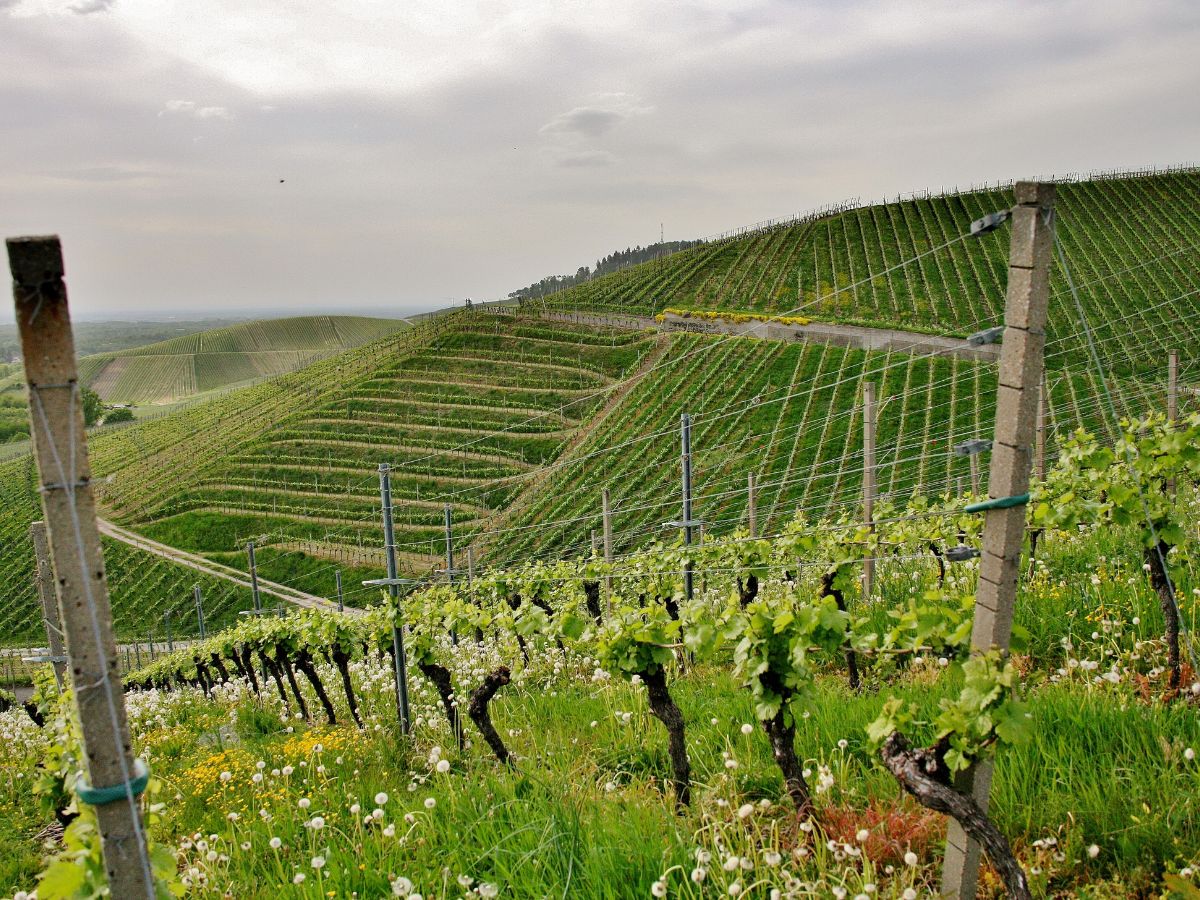
At Doghobble Wine Farm, we’ve made a deliberate choice to focus on indigenous and hybrid grape varieties that are native to our region and naturally suited to Georgia’s climate. Our vineyard grows Lomanto alongside Norton, Chambourcin, Catawba, and muscadine varieties, all of which thrive on the Dahlonega Plateau without needing the intensive chemical treatments that European grapes require in our environment.
This isn’t about compromise. It’s about making wines that reflect a true sense of place rather than trying to mimic what you’d find in California or Napa Valley. The Dahlonega Plateau is a certified American Viticultural Area (AVA), and our location at over 1,200 feet of elevation provides a distinctive growing environment that brings out the best in these varieties.
Lomanto fits perfectly into this philosophy. It’s a grape with deep American roots, it thrives in our soil and climate, and it produces wines with real personality. We think that’s more interesting than trying to grow a grape that would rather be somewhere else.
See It for Yourself: Doghobble TV
Want to go deeper? Our video series, Doghobble TV, pulls back the curtain on our wines, our process, and the farm life behind every pour. No pretension, just passion. Here are two episodes to get you started:
Watch our Lomanto episode— We walk you through the grape, its history, and what makes it special for winemaking on the Dahlonega Plateau.
Watch our Norton episode — Norton is another incredible American grape we grow at the farm. This episode explores what makes it different and why it belongs in North Georgia
Try Lomanto Wine at Doghobble Wine Farm
The best way to experience Lomanto is to taste it for yourself. Visit us at Doghobble Wine Farm in Dahlonega, Georgia for a guided or self-guided tasting at the Trellis. We’re open Sunday through Thursday from 12–6pm and Friday through Saturday from 12–7pm. Walk-ins are always welcome.
While you’re here, meet our alpacas and goats, grab a pizza from the Embers truck, and take in the views from the Plateau Pavilion. It’s a working wine farm with a lot of heart, and we’d love to share a glass with you.
Doghobble Wine Farm 10 Roy Grindle Road, Dahlonega, GA 30533 470.310.0491 | hello@doghobblevineyard.com
Frequently Asked Questions About Lomanto Wine
Lomanto is a red wine grape that produces deeply colored, claret-red wines. The juice is intensely pigmented, making it one of the most richly colored red wines you’ll find.
Lomanto wines are fruit-forward with firm acidity and low tannin. Expect flavors of blackberry, blueberry, and wild berry with a smooth, slightly jammy finish. They’re easy-drinking and approachable.
Lomanto wine is produced by a small number of wineries, primarily in the southeastern United States and Texas. Doghobble Wine Farm in Dahlonega, Georgia grows Lomanto on the Dahlonega Plateau AVA and offers tastings at the farm.
No. While both are American grapes suited to the Southeast, they come from different species. Muscadine (Vitis rotundifolia) has a distinct musky flavor and thick skin. Lomanto is a hybrid with partial European (Vitis vinifera) parentage, giving it a flavor profile closer to what most wine drinkers expect from a red wine.
Lomanto was developed in 1902 by T.V. Munson, a pioneering viticulturist based in Denison, Texas. Munson is famous for his work crossbreeding American grape species and for helping save the European wine industry from the phylloxera epidemic.
Yes. Lomanto is a popular backyard grape because of its disease resistance, drought tolerance, and winter hardiness (down to USDA Zone 5). The vines are self-fertile and produce medium-sized clusters that can be used for winemaking, juice, or jelly.