The word “sustainable” gets used a lot in agriculture. You will find it on wine labels, farm websites, and restaurant menus across the country. And while the intent behind it is usually genuine, sustainability as a concept has a ceiling. To sustain something means to keep it at its current level. To hold the line.
At Doghobble, we are not trying to hold the line. We are trying to improve the land.
That is the distinction at the heart of regenerative farming. Not maintaining what is here, but actively building it back. Healthier soil this year than last year. A more alive, more complex, more productive piece of land over time. An 80-acre farm on the Dahlonega Plateau that is genuinely better in ten years than it is today.
This post explains what regenerative farming actually means in practice at Doghobble, why we chose it, and what it has to do with the wine in your glass.
What Regenerative Farming Actually Means
Regenerative agriculture is not a certification or a checklist. It is a philosophy of land management built around a core idea: healthy soil is the foundation of everything, and the goal of farming should be to build that health rather than extract from it.
Conventional agriculture, particularly large-scale monoculture farming, tends to do the opposite. It applies synthetic fertilizers to replace the nutrients the soil loses, uses herbicides to eliminate ground cover that would otherwise build organic matter, and relies on pesticides to manage pest populations that a more complex ecosystem might control naturally. Each intervention solves a short-term problem while creating a long-term dependency. The soil becomes less alive over time, and the inputs required to keep it productive increase.
Regenerative farming reverses that cycle. The tools are different: cover crops, composting, reduced tillage, integrated livestock, and minimal synthetic inputs. The goal is to feed the soil biology rather than bypass it, to build the microbial diversity and organic matter that make land genuinely productive without continuous external inputs.
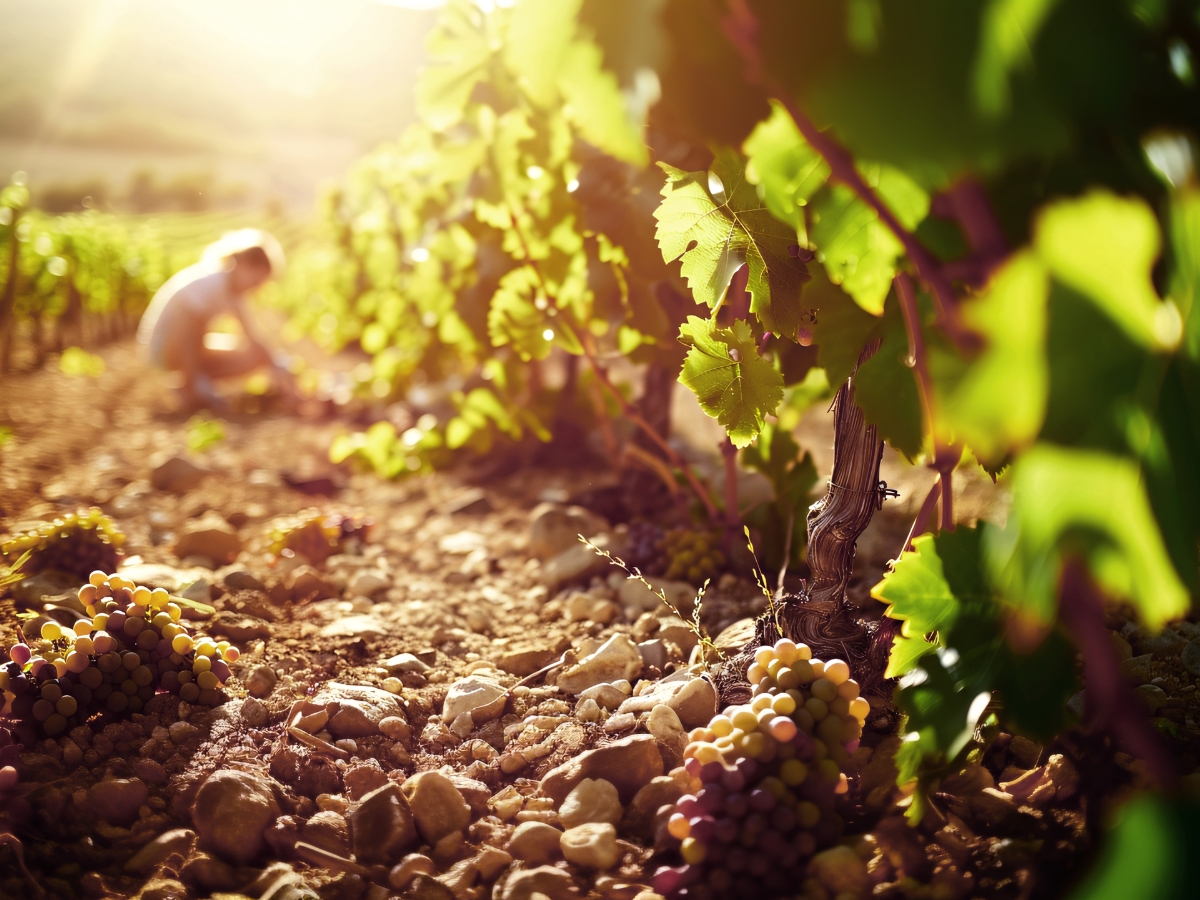
For a vineyard, this approach has direct implications for wine quality. Vine health starts in the soil. And soil that is alive, complex, and rich in organic matter produces vines that are fundamentally different from those growing in depleted, chemically managed ground.
How Doghobble Puts It Into Practice
Regenerative farming at Doghobble is not a single practice. It is a system of interconnected decisions that work together across the farm.
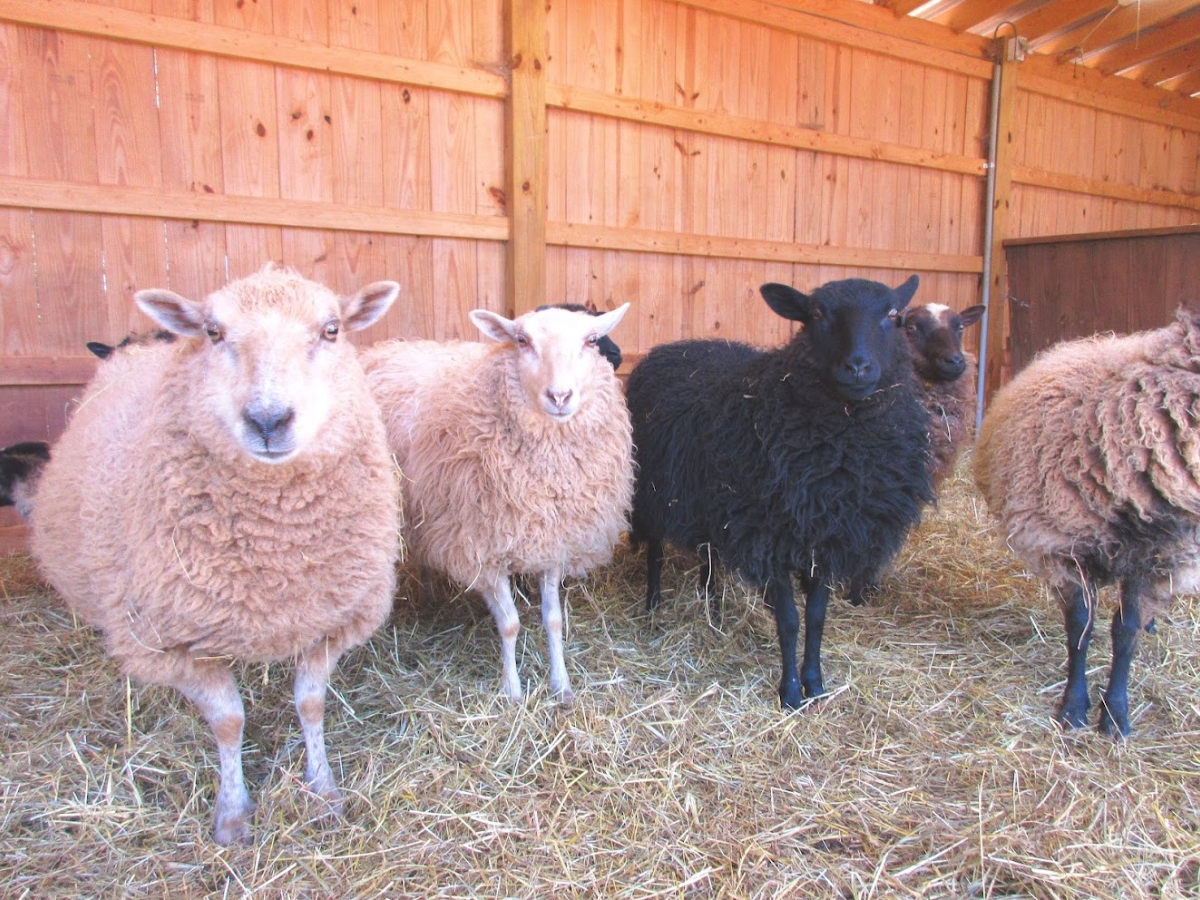
Integrated livestock. As we covered in our post on sheep in the vineyard, our animals are working members of the farm’s agricultural system. The sheep graze between the vine rows, managing ground cover naturally and returning organic matter to the soil through their manure. The chickens and guinea hens scratch through ground cover and consume pest insects. The entire animal community on this farm contributes to the health of the land rather than simply occupying it.
Native and heritage grape varieties. Choosing grapes that are biologically suited to Georgia’s climate is itself a regenerative decision. When we plant Norton, Muscadine, Chambourcin, and Catawba instead of European varieties that require intensive intervention to survive in our humidity, we are reducing the chemical inputs the vineyard needs. Fewer sprays. Less synthetic intervention. More space for the natural biology of the soil to do its work.
Minimal intervention viticulture. Sam has noted that while California-style grape operations may spray thirty or more times per year, Doghobble sprays as few as four times. That reduction in chemical input is not just a cost saving. It is a decision to let the vineyard ecosystem function as naturally as possible, which means the soil biology stays more intact, the beneficial insects stay present, and the vines develop the kind of natural resilience that only comes from not being over-managed.
Working with the landscape. The Dahlonega Plateau’s red clay soil, elevation, and rainfall patterns are not obstacles to work around. They are the conditions we farm within. The native plants, the creek ravines, the forest bordering the pastures: all of it is part of the ecosystem that surrounds and supports the vineyard. Regenerative farming means treating that broader landscape as a resource rather than a liability.
Why This Approach Is Gaining Traction in the Wine World
Regenerative viticulture is one of the most significant conversations happening in wine right now.
Consumers are increasingly interested in how their wine is made, not just what it tastes like. The rise of natural wine, biodynamic certification, and organic viticulture all reflect the same underlying shift: wine drinkers want to know that the land their wine comes from is being treated well. Regenerative farming goes a step further than any of those labels by focusing not just on what is avoided but on what is actively built.
For wineries in regions like the Dahlonega Plateau, where the growing conditions already push toward lower-intervention farming through the use of disease-resistant native varieties, regenerative practices are a natural extension of the core philosophy. We are already working with the land rather than against it. Regenerative farming is simply the fullest expression of that commitment.
It is also worth noting that regenerative viticulture is increasingly associated with wine quality at the highest level. Some of the most celebrated vineyards in Europe and the United States have moved toward regenerative practices not because it is fashionable but because the wine it produces is better. More complex. More expressive of its specific place. More interesting in the glass.
That is the outcome we are working toward at Doghobble with every farming decision we make.
The Connection to Terroir
Terroir is the French concept that wine tastes like the place it comes from. It is one of the most discussed ideas in the wine world and one of the most misunderstood.
Terroir is not just about geography. It is about the living system that occupies that geography: the soil biology, the microbial communities, the plant life, the water, the animals, and the people who farm it. A vineyard managed regeneratively expresses its terroir more fully than one managed conventionally because the living system is more intact. There is more of the place in the wine.
At Doghobble, every regenerative practice we follow is a way of letting the Dahlonega Plateau speak more clearly through what we grow. The red clay soil, the plateau elevation, the native varietals, the sheep in the rows, the minimal spray program: all of it adds up to wines that could not come from anywhere else.
That is what we are making here. Not a North Georgia version of something else. Something that is entirely its own.
Come See How We Farm
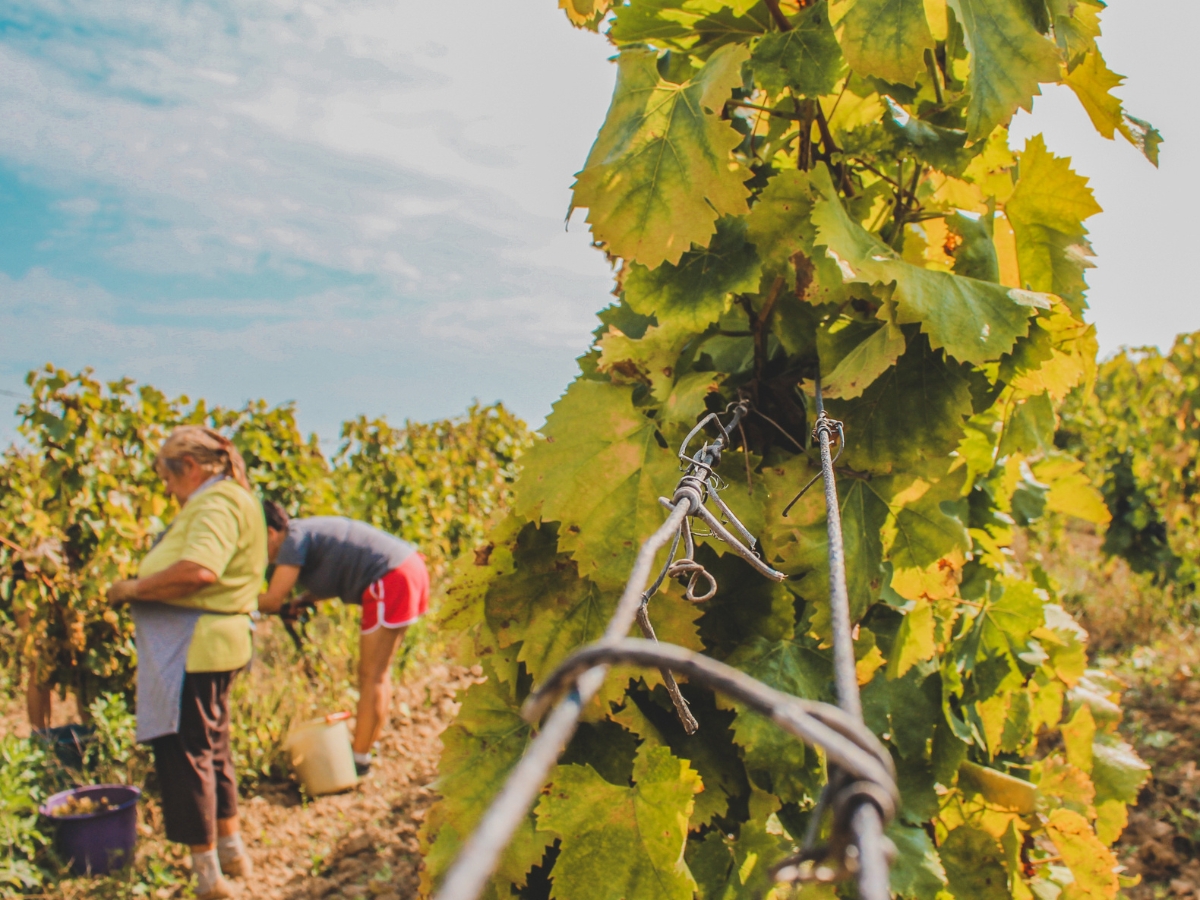
The best way to understand regenerative farming at Doghobble is to walk the property. The vineyard, the pastures, the animals, the grove: it all connects, and you can see it working as a system when you are standing in the middle of it with a glass in hand.
Doghobble Wine Farm is located at 10 Roy Grindle Road, Dahlonega, GA 30533, on the Dahlonega Wine Highway, about 90 minutes north of Atlanta and 10 minutes from historic downtown Dahlonega. We are open Sunday through Thursday from 12 to 6pm and Friday through Saturday from 12 to 7pm. Walk-ins are always welcome. For groups of 6 or more, call ahead at (470) 310-0491 or email hello@doghobblevineyard.com.