If you’ve visited wineries in California or Napa, you might wonder: Where’s the Cabernet Sauvignon? Why so much Norton and Muscadine?
The answer is simple: We grow grapes that actually thrive here.
In North Georgia, the traditional European varieties (Cabernet, Chardonnay, Merlot) struggle with disease, humidity, and our climate. Instead of fighting nature with chemicals and intensive intervention, we work with grapes specifically bred to flourish in the Southeast varieties that make exceptional wine when grown where they belong.
The Challenge: Why European Grapes Struggle Here
Pierce’s Disease: The Southeast’s Wine Killer
Pierce’s Disease is a bacterial infection spread by insects that kills grapevines often within 1-3 years. European wine grapes (the ones you know from California) have zero resistance to it.
The problem:
- Pierce’s Disease is endemic throughout Georgia
- Hot, humid summers create perfect conditions for the bacteria
- There’s no cure once a vine is infected
- Traditional varieties die young even with intensive management
Plus: High humidity causes fungal diseases, summer heat stresses European vines, and heavy rains during harvest can ruin crops.
The solution? Grow different grapes.
What Are Indigenous & Hybrid Grapes?
Indigenous Grapes
Varieties native to North America or developed specifically for our climate. They evolved here alongside our insects, diseases, and weather so they’re naturally adapted to survive and thrive.
Examples: Norton, Muscadine, Catawba
Hybrid Grapes
Varieties created by crossing European wine grapes with American species, combining:
- Wine quality of European varieties
- Disease resistance of American grapes
- Climate adaptability for challenging regions
Examples: Chambourcin, Traminette, Lomanto
These aren’t “compromise” grapes. They’re innovations that make world-class wine where traditional varieties fail.
Meet the Grapes We Grow
Norton: “America’s Grape”
What it is: Indigenous American red grape, discovered in Virginia around 1820
What it tastes like: Dark plum, blackberry, hints of spice and tobacco. Full-bodied with smooth tannins; similar structure to Cabernet but with distinctly American character.
Why it’s special:
- Grown by Thomas Jefferson at Monticello
- Won international awards in the 1800s
- Named Virginia’s official state grape
- Complete resistance to Pierce’s Disease
If you like: Cabernet Sauvignon or Merlot
Muscadine: Georgia’s Native Grape
What it is: The only grape species native to the Southeastern U.S. Completely different from “regular” grapes, individual large berries, thick skins, grows wild throughout Georgia.
Our Carlos Muscadine: Forget everything you think you know about sweet Southern Muscadine wine. Our Carlos is dry, citrus-forward, and crisp more like Sauvignon Blanc than traditional Muscadine.
Why it’s special:
- Georgia’s official state fruit
- Completely immune to Pierce’s Disease (not just resistant—immune)
- Highest antioxidant content of any grape
- Native Americans harvested wild Muscadines for thousands of years
If you like: Sauvignon Blanc or Pinot Grigio
Chambourcin: The Overachiever
What it is: French-American hybrid created in the 1960s, now grown worldwide
What it tastes like: Cherry, plum, red fruits with soft tannins. Medium-bodied, somewhere between Pinot Noir and Merlot. Incredibly food-friendly.
Why it’s special:
- One of the most successful hybrids ever created
- Makes wine that rivals European varieties in quality
- Consistent producer across different vintages
- Excellent with food (especially pizza!)
If you like: Pinot Noir or lighter reds
Lomanto: The Texas Legend
What it is: Hybrid created by T.V. Munson, the Texas viticulturist who saved French wine during the phylloxera crisis
Character: Complex, combining “wild” American notes with refined European structure
Why we grow it: Designed specifically for hot, humid climates. Thrives where other grapes die. Honors the legacy of American grape innovation.
Catawba: American Wine History
What it is: Native American variety discovered in North Carolina in the 1800s
Historic significance: Before California wine existed, Catawba from Ohio and New York dominated American wine production. This was America’s first commercially successful wine grape.
Character: Floral, aromatic, can make dry wines, sweet wines, or sparkling wines
Why we grow it: Represents centuries of American winemaking history
“But Are Hybrid Grapes As Good?”
The Short Answer: Yes.
The myth: European grapes make “real” wine. Hybrids are inferior.
The reality: The best grape for any region is the one that thrives there naturally.
- In Bordeaux → Cabernet works best
- In Burgundy → Pinot Noir works best
- In Georgia → Norton, Chambourcin, and Muscadine work best
Modern Hybrids Make Exceptional Wine
Contemporary varieties like Chambourcin:
- Win blind tastings against European varieties
- Age beautifully
- Express terroir clearly
- Show complexity and balance
The key? We stopped trying to make them taste like European grapes and let them be themselves.
Why This Matters for You (The Visitor)
You’re Tasting Something Unique
These wines don’t taste like California wines and that’s the point. You’re experiencing flavors that could only come from Georgia, from grapes that belong here.
You’re Supporting Sustainable Farming
Disease-resistant grapes mean:
- Significantly fewer pesticides and fungicides
- Less water needed
- Healthier vineyard ecosystems
- Lower carbon footprint
You’re Part of Wine History
By drinking Norton, you’re tasting the same grape Thomas Jefferson tried to grow. By trying Muscadine, you’re experiencing Georgia’s native fruit. You’re connecting with centuries of American winemaking, not just copying Europe.
You’re Seeing the Future
As climate change accelerates, indigenous and hybrid grapes are increasingly important everywhere not just the Southeast. Georgia is leading the way in climate-appropriate viticulture.
What You’ll Notice When You Taste
Norton: Earthy, spicy, less overtly fruity than California reds. More Old-World European in style despite being American.
Carlos Muscadine: Surprising! Citrusy and crisp nothing like sweet Southern Muscadine stereotypes.
Chambourcin: Familiar yet distinctive. If you like Pinot Noir, you’ll love this.
Our wines have:
- True sense of place (they taste like Georgia)
- Balanced acidity and food-friendliness
- Unique flavor profiles you won’t find elsewhere
- Both familiar elements and surprising twists
Ready to Taste the Difference?
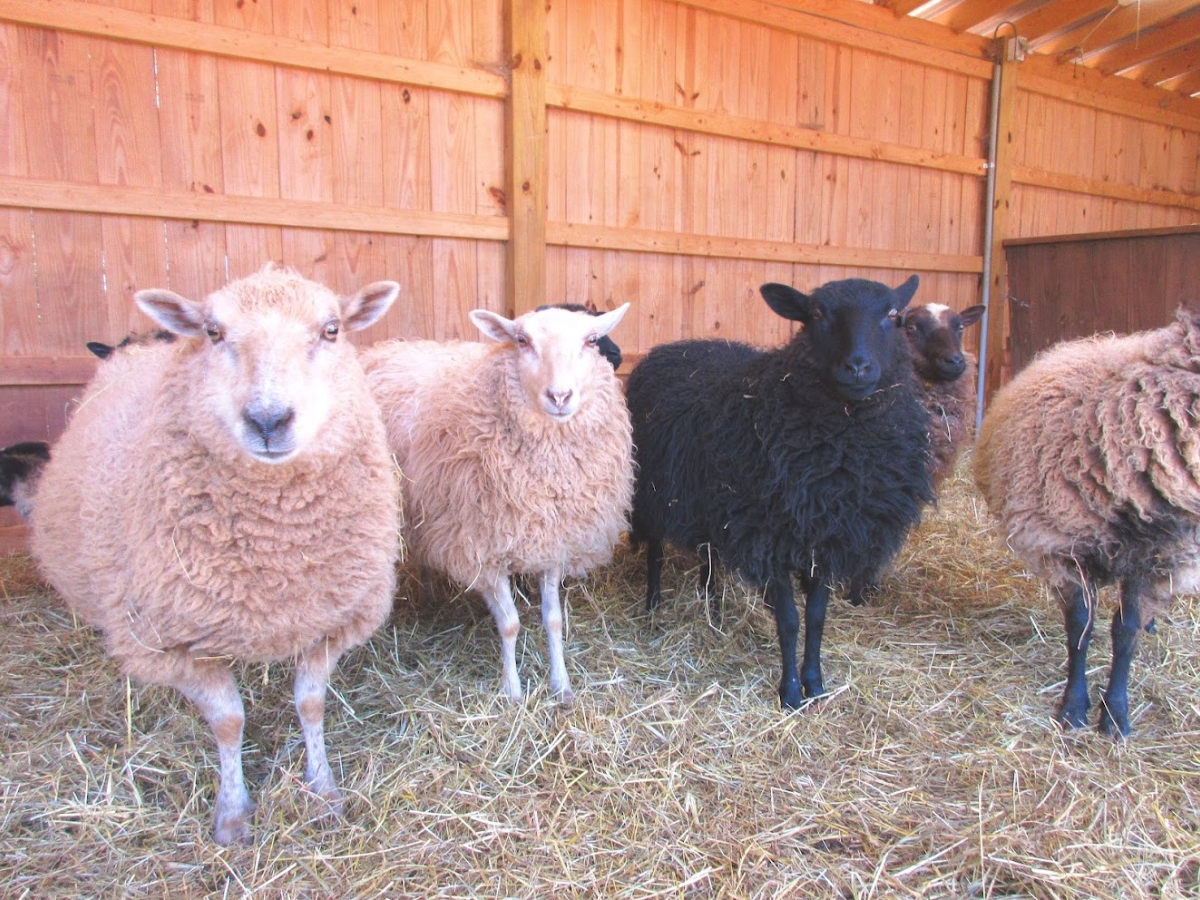
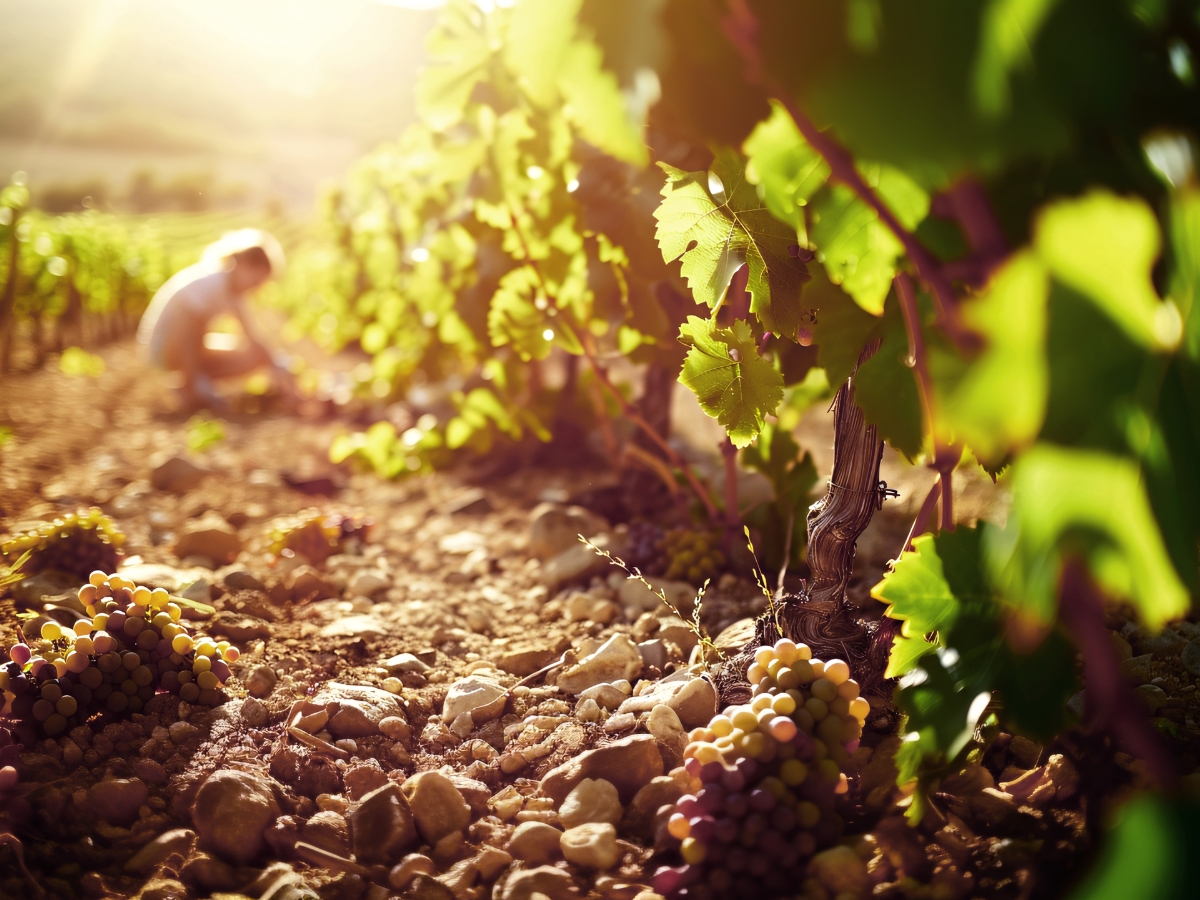
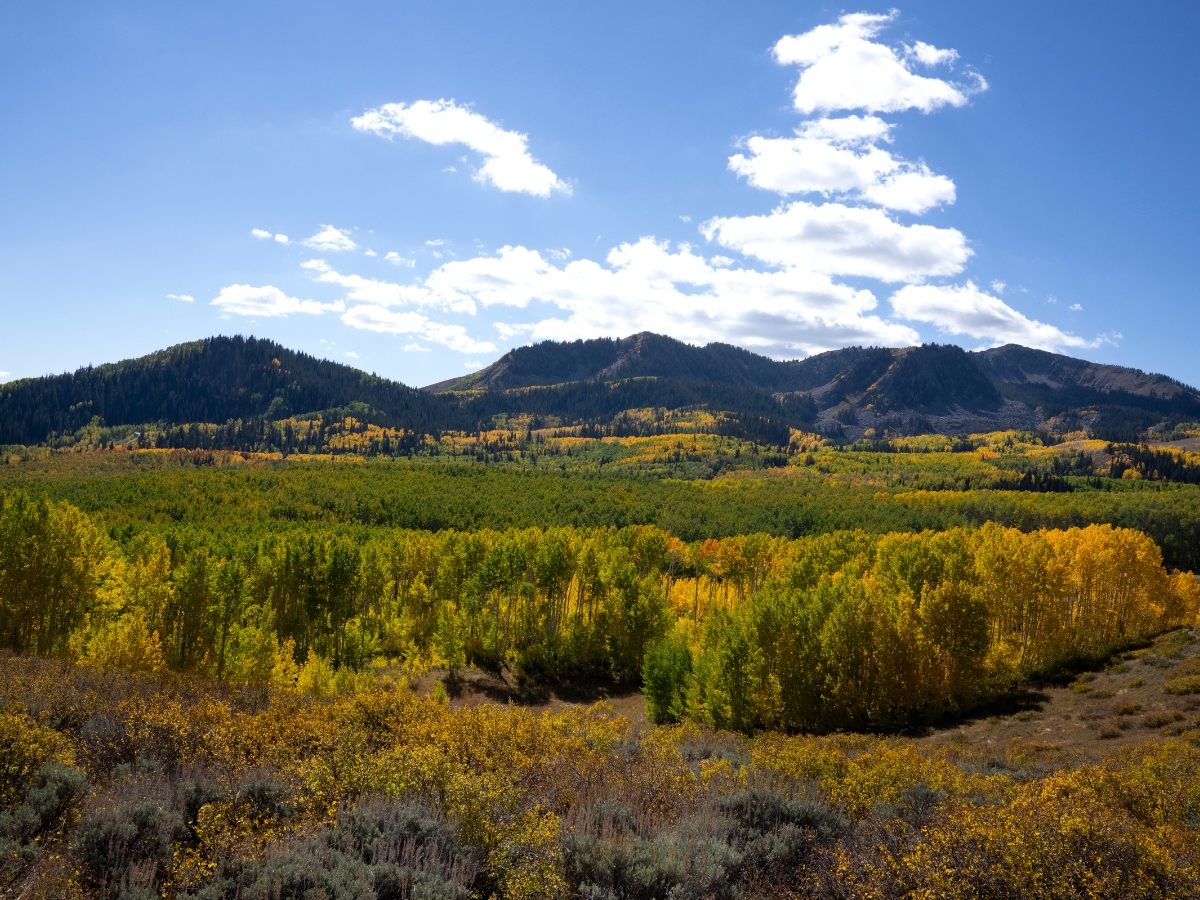
The best way to understand what makes these grapes special is to taste them in the place they were grown surrounded by the vines, animals, and landscape that created them.
Visit us at Doghobble Wine Farm to discover wines you won’t find anywhere else.
Plan Your Visit →
Explore Our Wines →
Questions? Call (470) 310-0491 or email hello@doghobblevineyard.com
Common Questions