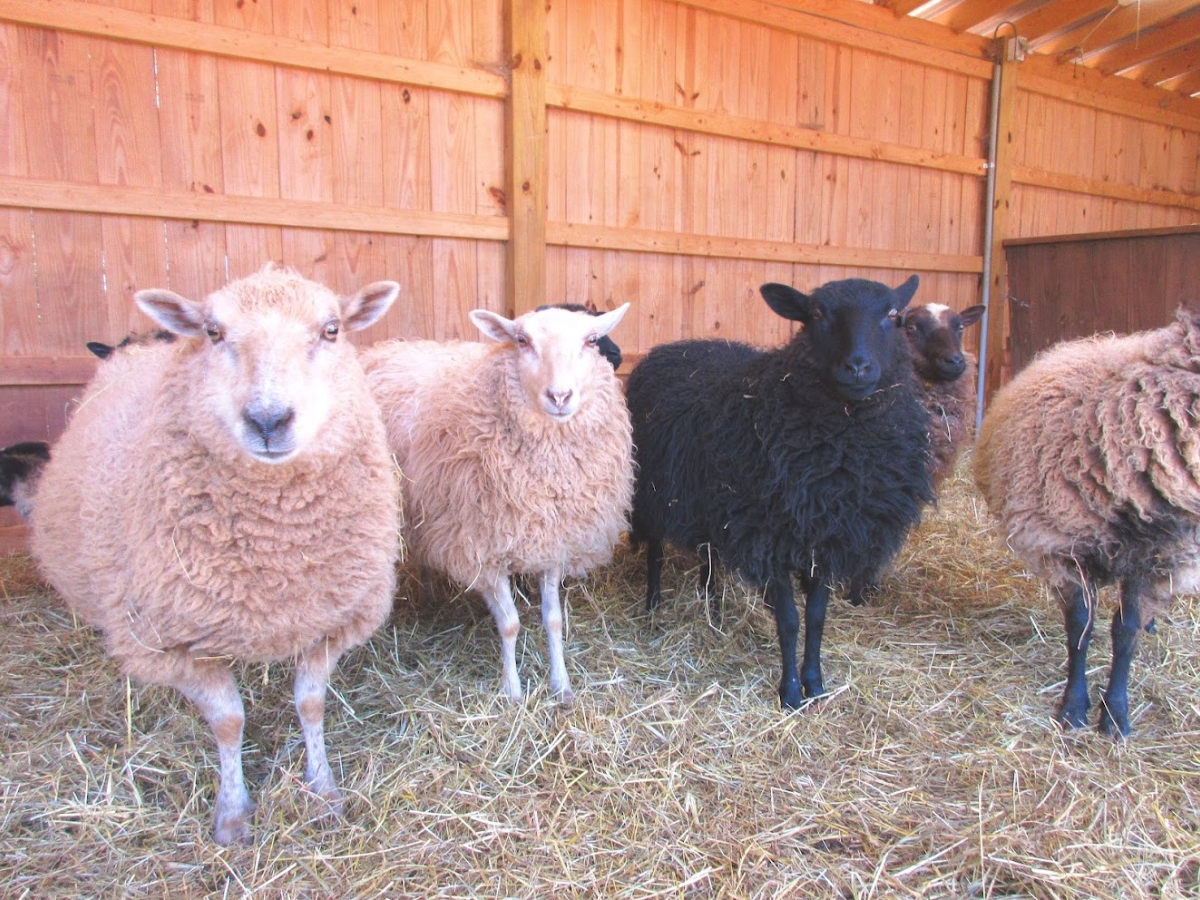
If you have visited Doghobble, you have probably met Nate.
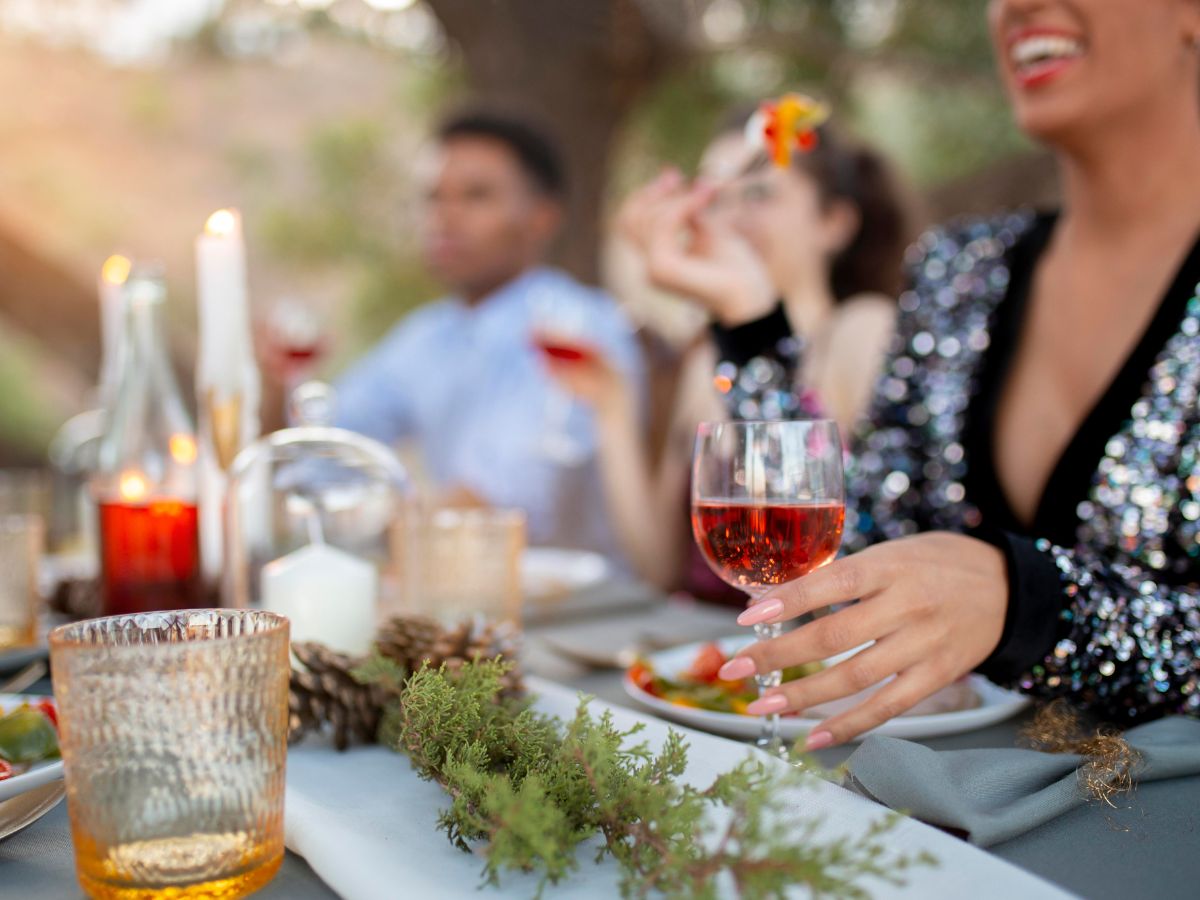
Nate is our ram, and he has a habit of wandering close enough to say hello to anyone who happens to be standing near the vineyard with a glass of wine. He is calm, curious, and completely unbothered by the fact that he is living on one of the most intentionally designed agricultural operations in North Georgia.
That is not an accident. The animals at Doghobble are not decoration. They are not a marketing strategy. They are a functioning part of how this farm works, and understanding what they do in and around the vineyard changes how you think about what is in your glass.
Why Sheep and Livestock Belong in the Vineyard
The relationship between livestock and viticulture is older than modern winemaking. Before synthetic herbicides and chemical fertilizers, farmers managed vineyards the same way they managed everything else: with animals. Sheep, in particular, have been used in vineyards across Europe for centuries because they are uniquely suited to the work.
They eat ground cover and weeds without damaging the vines themselves. Their hooves aerate the soil as they move through the rows. Their manure returns organic matter and nutrients directly to the earth. And they do all of this without an engine, without fuel, and without a chemical input that needs to be tracked and managed.
When Sam and Robin started farming this 80 acres on the Dahlonega Plateau, integrating animals into the vineyard system was never a question of whether. It was always a question of how.
How Sheep Manage Weeds and Fertilize Vineyard Soil
The practical contribution of sheep in a vineyard comes down to three things: vegetation management, soil fertilization, and ecosystem balance.
Vegetation management. Between the vine rows, grass and weeds grow continuously through Georgia’s long growing season. Left unmanaged, that ground cover competes with the vines for water and nutrients, creates habitat for pests, and increases humidity at the base of the vine. Those are exactly the conditions that promote the fungal diseases we work hard to minimize. Sheep move through the rows and graze the ground cover naturally, keeping it short without the need for mechanical mowing or herbicide application. They do the work quietly, consistently, and without compacting the soil the way heavy equipment does.
Soil fertilization. Sheep manure is one of the most effective natural fertilizers available. It releases nitrogen, phosphorus, and potassium slowly into the soil as it breaks down, feeding the microbial life that makes healthy vineyard soil possible. Healthy soil biology is directly connected to vine health, root depth, and ultimately the flavor complexity of the fruit those vines produce. Every pass the sheep make through the vineyard is a slow, continuous soil amendment.
Ecosystem balance. A vineyard managed with animals looks different from one managed with chemicals. The soil stays more alive. The microbial diversity stays higher. The ground cover, even when grazed short, contributes organic matter as it cycles through the season. The overall system is more resilient because it is more complex, and complexity in a farming system is a feature, not a problem.
The Vineyard Animals at Doghobble Wine Farm
Sheep are the primary workers in and around the vineyard rows, but they are not the only animals contributing to the farm’s ecosystem.
Doghobble is also home to alpacas, goats, donkeys, chickens, and guinea hens, each playing a role in the working life of the farm. Chickens and guinea hens scratch through ground cover and consume insects, including pest species that can damage vines. Donkeys are natural guardians; their instinct to protect the herd from predators makes them valuable alongside more vulnerable animals on an open farm property.
None of these animals are here by coincidence. Every species on this farm was chosen because it contributes something to the agricultural system, not just because it is pleasant to look at. Though it is worth saying: they are very pleasant to look at, and you can visit the wine farm to see them at work for yourself.
How Regenerative Farming Shapes the Wine in Your Glass
The connection between how a farm is managed and how its wine tastes is not a romantic idea. It is agricultural science.
Soil health determines vine health. Vine health determines fruit quality. Fruit quality determines what ends up in the bottle. When the soil in a vineyard is alive with microbial activity, fed by organic matter, aerated by animal movement, and free from the residual effects of synthetic inputs, the vines that grow in it are fundamentally different from vines growing in depleted, chemically managed ground.
This is the core of what the wine world means by terroir: the complete natural environment that shapes a wine. At Doghobble, that environment includes the red clay soil of the Dahlonega Plateau, the elevation, the rainfall patterns, the native grape varieties we grow, and the animals that move through the rows and give back to the earth what they take from it.
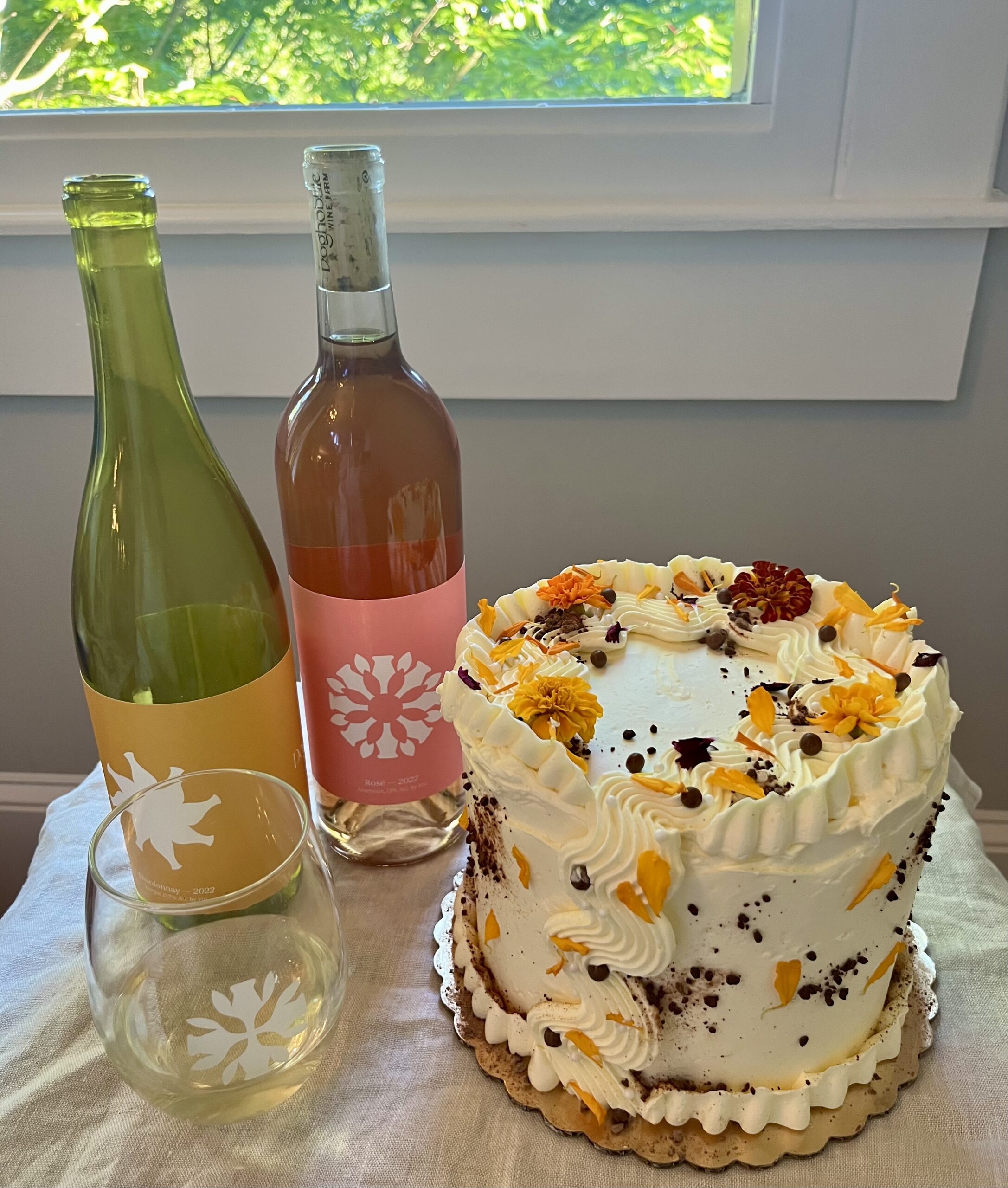
Every glass of Doghobble wine carries that whole system in it, whether the person drinking it knows it or not.
Visit the Animals at Doghobble Wine Farm
The animals at Doghobble roam freely across the pastures and farm property, and guests are welcome to encounter them during any visit. New babies arrive each spring, and the herd changes with the seasons. Because our animals roam freely, we are unable to allow pets on the property.
Doghobble Wine Farm is located at 10 Roy Grindle Road, Dahlonega, GA 30533, on the Dahlonega Wine Highway, about 90 minutes north of Atlanta and 10 minutes from historic downtown Dahlonega. We are open Sunday through Thursday from 12 to 6pm and Friday through Saturday from 12 to 7pm. Walk-ins are always welcome. For groups of 6 or more, call ahead at (470) 310-0491 or email hello@doghobblevineyard.com.