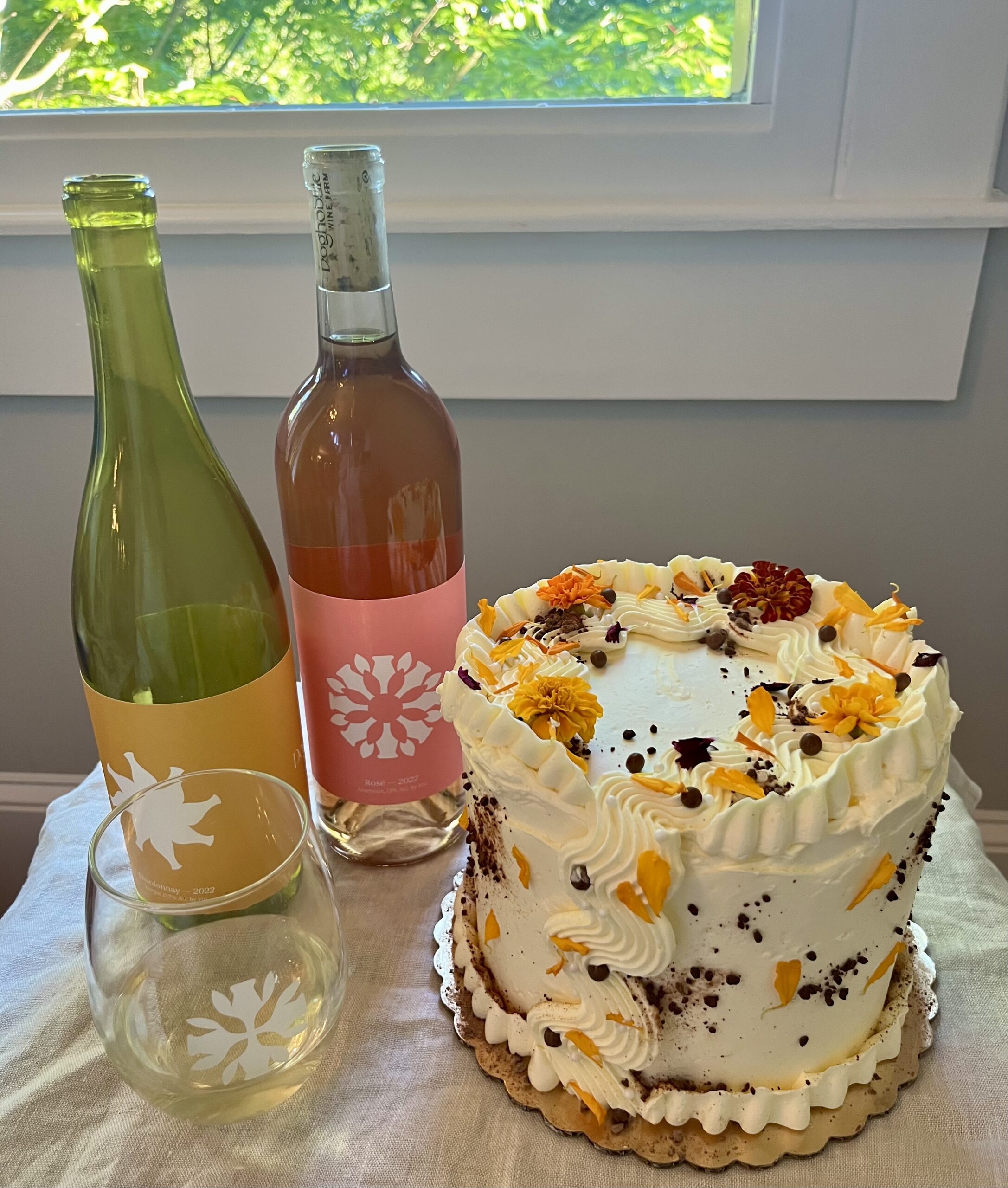
When Robin and I started clearing this 80-acre farm in 2020, one of the first decisions we made was also the most fundamental: we would not grow California grapes.
No Cabernet Sauvignon. No Merlot. No Pinot Grigio.
Not because we don’t appreciate those wines. We do. But because those grapes don’t belong here. And if there’s one thing this land has taught us since we started digging in the dirt on the Dahlonega Plateau, it’s that what belongs here is remarkable enough on its own.
Our vineyard grows Norton, Lomanto, Chambourcin, Catawba, Carlos Muscadine, Lenoir, and Traminette. Every single one of those varietals was chosen because it is specifically suited to North Georgia’s climate, soil, and growing conditions. This isn’t a compromise. It’s a philosophy, and understanding it will change how you think about what’s in your glass.
The Problem With Growing the Wrong Grape
To understand why native and heritage varietals matter, you first need to understand the challenge every winemaker in the southeastern United States faces: humidity.
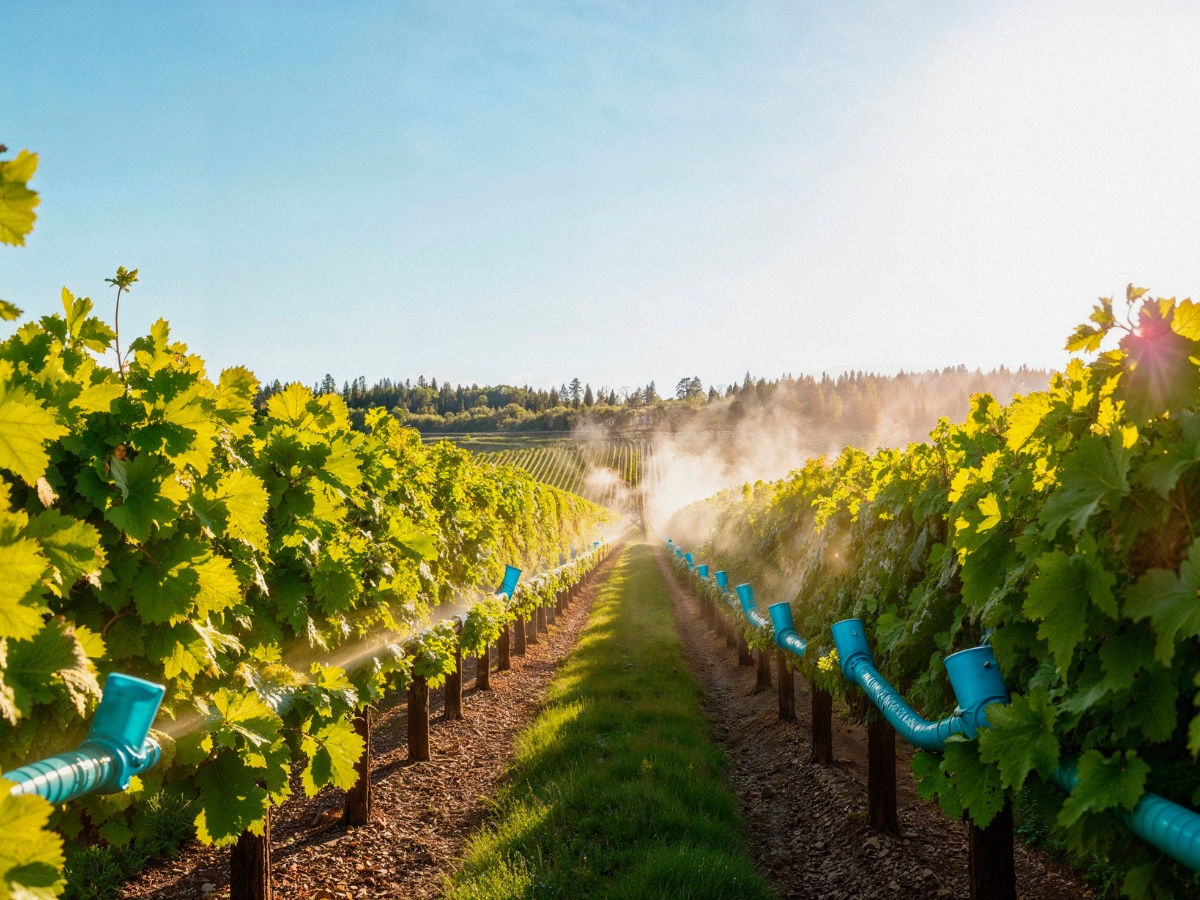
Georgia summers are hot, wet, and unforgiving. The same moisture that makes North Georgia so lush and green is the primary enemy of European wine grapes (Vitis vinifera, the species behind Chardonnay, Cabernet, Pinot Noir, and virtually every wine you’d find in a typical California bottle). Humidity promotes fungal diseases. Downy mildew creeps across leaf surfaces and shuts down photosynthesis. Powdery mildew attacks the fruit. Pierce’s disease, spread by the glassy-winged sharpshooter insect, can kill an established European grapevine in a single season with no cure.
Growing Vitis vinifera in Georgia without heavy chemical intervention is, in most cases, a losing battle. Wineries that try it spray constantly, lose vines regularly, and still struggle to achieve the quality the variety is capable of in its native climate.
We chose a different path.
Four Grape Species, One Clear Philosophy
The grape family (Vitis) is far broader than most wine drinkers realize. Here is how the major species break down, and why the distinctions matter for what we grow at Doghobble.
Vitis rotundifolia: The Muscadine
Native to: The southeastern United States
Disease resistances: Pierce’s disease, downy mildew, phylloxera
At Doghobble: Carlos Muscadine
The Muscadine is the grape of the American South. It has grown wild in Georgia, the Carolinas, and across the coastal plain for thousands of years. Native Americans ate it, fermented it, and used its vines for fiber. The famous “Mother Vine” on Roanoke Island, the oldest known cultivated grapevine in North America, is a Muscadine, estimated to be over 400 years old.
Muscadine’s disease resistance profile is extraordinary. It evolved alongside Georgia’s pests and pathogens, which means it doesn’t need defending from them. Pierce’s disease, which can devastate European vineyards in the South, doesn’t touch Muscadine. It laughs at downy mildew.
Most people’s experience with Muscadine wine is sweet, the kind that comes in a mason jar at a roadside stand. Our Carlos is nothing like that. Dry, citrus-forward, and crisp, it is the wine that consistently changes visitors’ minds about what Muscadine can be. It’s one of the most distinctive whites we produce.
Vitis vinifera: The European Grape
Native to: Mediterranean region and South Caucasus
Disease resistances: None
At Doghobble: Used selectively in limited offerings
This is the species behind almost every wine you have ever seen in a restaurant. Chardonnay, Merlot, Cabernet Sauvignon, Pinot Noir: all Vitis vinifera. It produces extraordinary wine in the right climate: cool nights, dry summers, well-drained soils.
Georgia is not that climate.
We do offer a small number of vinifera-based wines; our Chardonnay and Pinot Noir are popular with guests who want something familiar. But our heart, and our vineyard, belongs to the grapes that truly thrive here.
Vitis aestivalis: The Summer Grape
Native to: Eastern United States
Disease resistances: Powdery mildew, nematodes, phylloxera
At Doghobble: Norton (Cynthiana)
Norton is America’s grape. Developed in the early 1800s and commercially available for nearly two centuries, it is the wine that Thomas Jefferson tried and failed to replicate at Monticello, not because it wasn’t good enough, but because he was trying to grow European varieties in Virginia soil that wasn’t suited to them. When he finally tasted Norton, he reportedly called it one of the finest wines he had encountered.
Norton is our signature vine, what we call the “queen vine” of Doghobble. It thrives on the Dahlonega Plateau because of its adaptability to diverse climates and soils and its natural resistance to the very pests and diseases that make this region challenging. Cold hardy in winter, heat resistant in summer, humidity resistant year-round.
The wine it produces is bold and age-worthy. Deep color, full body, dark fruit (blackberry and plum) with notes of spice and structure that rival serious red wines from anywhere in the world. Our Norton bottle, with its orange and red label, has become one of our most sought-after wines, and once you taste it, you understand why.
Vitis labrusca: The Fox Grape
Native to: Eastern United States
Disease resistances: Phylloxera, powdery and downy mildew
At Doghobble: Catawba, Chambourcin (hybrid)
Catawba is one of America’s oldest cultivated native grapes, known for producing wines with distinctive floral and fruity character. Chambourcin is a French-American hybrid bred specifically to combine the disease resistance of American species with the wine quality profile of European varieties. It produces a deeply colored, medium-to-full-bodied red with excellent structure.
Both perform exceptionally in North Georgia’s climate. Both would struggle, or fail entirely, if replaced with European equivalents under our humidity levels.
Why This Matters for What’s in Your Glass
When you taste a Doghobble wine, you are tasting the Dahlonega Plateau. Not a North Georgia approximation of a Napa Cabernet. Not a Georgia attempt at a Burgundy Chardonnay. Something genuinely new: flavors that exist because of this soil, this elevation, this climate, and these specific grapes.
That is what the wine world calls terroir: the complete natural environment in which a wine is produced. And the most honest expression of terroir is planting what belongs in a place, not what is fashionable.
As Sam has said about the Doghobble philosophy: “We don’t grow anything that doesn’t grow here. These grapes are suitable for our winter, our summer, our rain level, and our humidity. Humidity is the biggest enemy of all the vines, because the mildews develop on the leaves and they shut down photosynthesis.”
Choosing native and heritage varietals isn’t a limitation. It’s how we make wines with no California equivalent.
Come Taste the Difference
The best way to understand why these varietals matter is to taste them side by side. We recommend starting with Norton (our signature red) and Carlos Muscadine (our signature white), then exploring a red flight comparing Norton, Chambourcin, and Lenoir. Each one is distinctly different. Each one is distinctly Southern.
Doghobble Wine Farm is located at 10 Roy Grindle Road, Dahlonega, GA 30533, on the Dahlonega Wine Highway, about 90 minutes north of Atlanta and 10 minutes from historic downtown Dahlonega. Walk-ins are welcome daily. For groups of 6 or more, call ahead at (470) 310-0491.